The 16-Bit Legend: The Rise and Legacy of SEGA Mega Drive

1. The Dawn of a New Era
Following the market presence of the Sega Mark III (Master System), SEGA realized that to compete with its rivals, it needed a radical leap in technology. In 1988, SEGA unveiled the Mega Drive (Genesis). It was designed to bring the true arcade experience into the living room, moving beyond the 8-bit limitations of the previous generation.
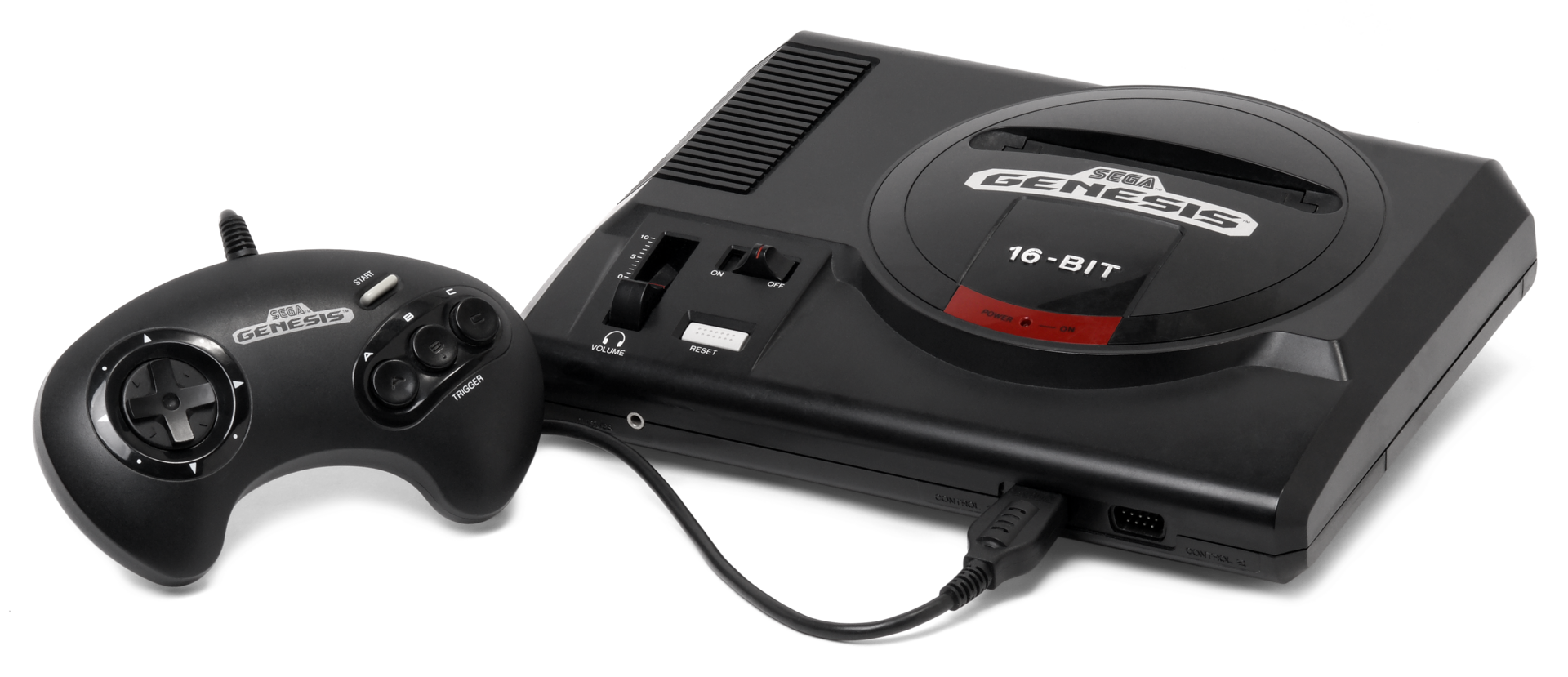
The image on the left portrays the iconic Sega Genesis Modle 1.
2. Hardware Innovation & The FM Sound
The Mega Drive was a masterpiece of industrial and electronic design. At its heart was the Motorola 68000 CPU, combined with the legendary Yamaha YM2612 FM synthesis sound chip. This hardware allowed for "Blast Processing" and a gritty, metallic sound that defined the 90s gaming aesthetic. Unlike its competitors, the Mega Drive felt fast, powerful, and cool.
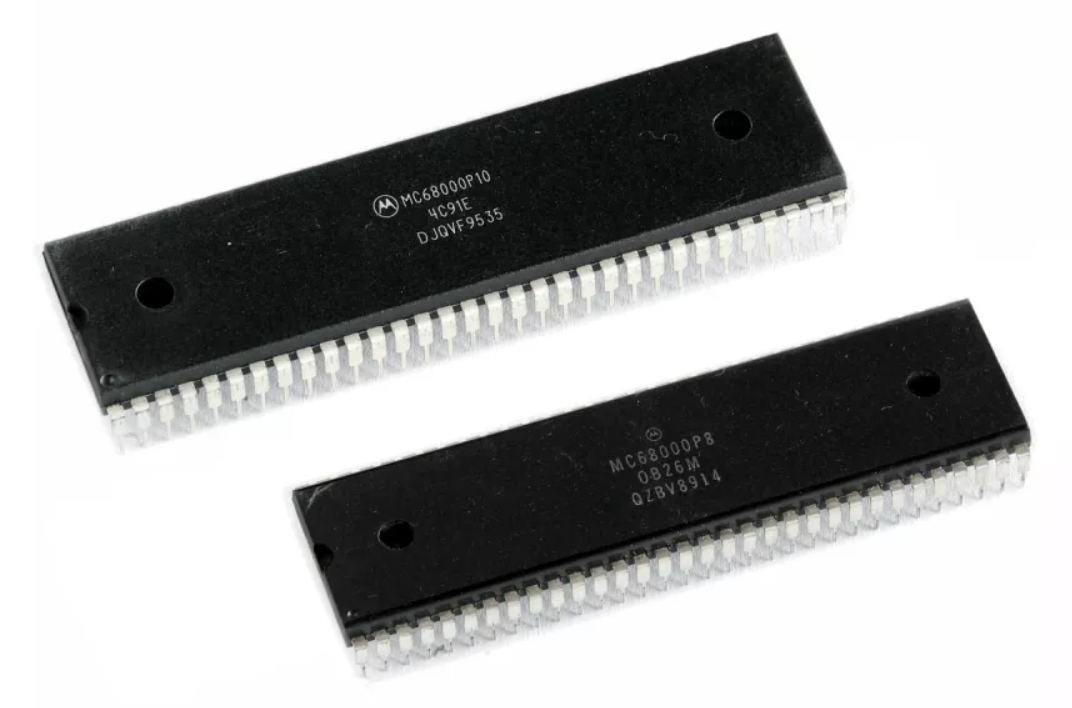
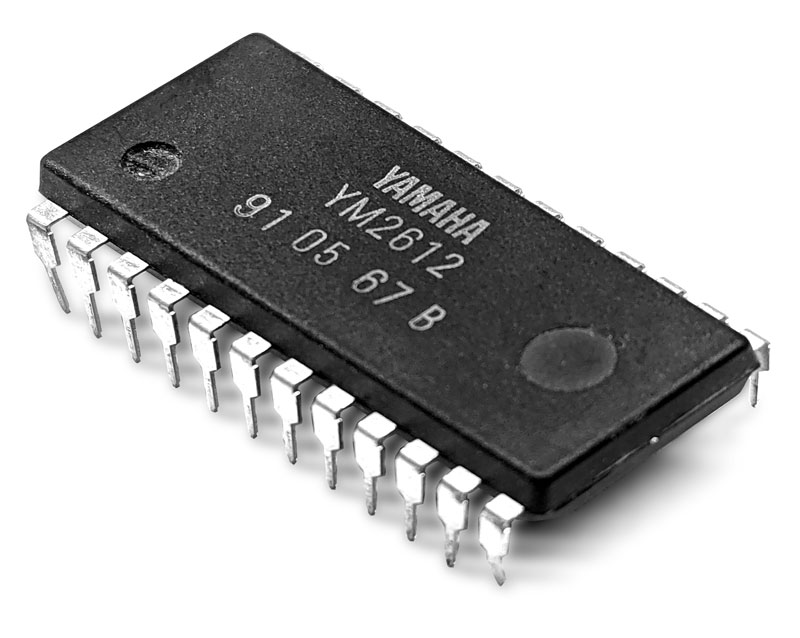
Motorola 68000 CPU and Yamaha YM2612 FM synthesis sound chip
3. Launch Titles & Global Expansion
While early titles showed promise, the real breakthrough came when SEGA targeted international markets. In North America and Brazil, the console became a cultural phenomenon. SEGA’s aggressive "Sega Does What Nintendon't" campaign resonated with older players.
4. The Birth of an Icon: Sonic the Hedgehog
In 1991, everything changed. SEGA needed a mascot to showcase the speed of their 16-bit hardware. The result was Sonic the Hedgehog. With his attitude and lightning-fast gameplay, Sonic didn't just sell consoles; he became a global icon, helping SEGA capture a massive share of the US market.

The image at the bottom portrays the iconic character Sonic the Hedgehog.
5. Hardware Evolution & The Add-on Strategy
To extend the life of the console, SEGA released several variations and add-ons, such as the Mega-CD (Sega CD) and the 32X. While these expansions showed SEGA's experimental spirit, it was the core Mega Drive hardware that remained the most beloved by fans worldwide.
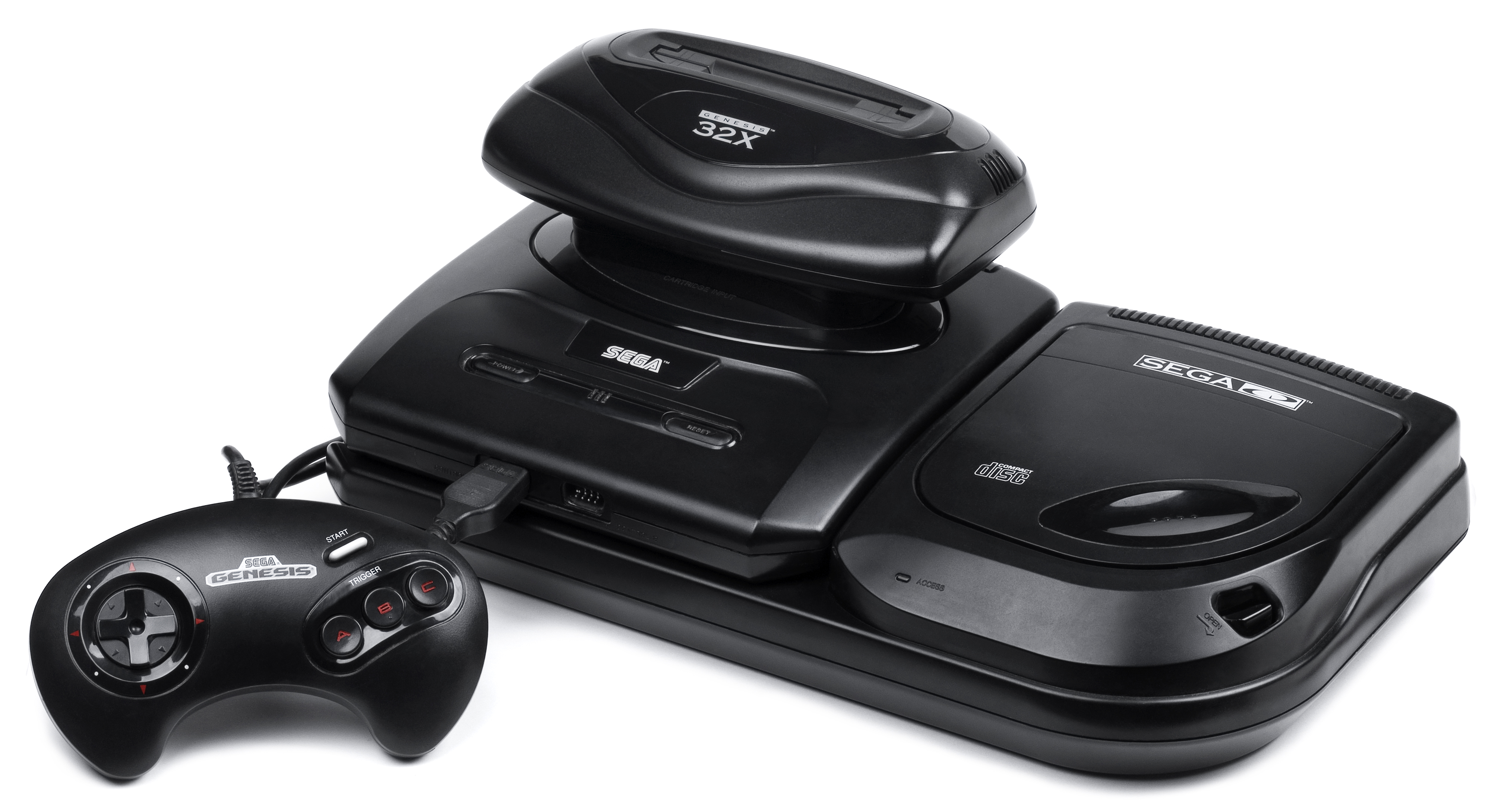
The complete "Tower of Power": Sega Genesis with CD and 32X.
6. A Living Legend: New Games in 2026
Surprisingly, the Mega Drive remains active today. Even decades later, the "16-bit heart" still beats. New physical games continue to be developed by independent studios, and homebrew communities are still pushing the hardware to its limits. From Brazil to Asia, the Mega Drive is not just a retro console; it is a living platform with enduring vitality.